
A retaining wall is one of the most functional and visually impactful features you can add to your landscape, but getting it right starts long before the first stone or block is ever placed. At Accurate Lawn Leveling, we’ve helped countless homeowners transform sloped, unstable, or eroding yards into beautiful, structurally sound outdoor spaces, and we can tell you from experience that the planning phase makes or breaks the entire project. Whether you’re trying to stop soil erosion, create usable flat space in a hilly yard, or simply add some curb appeal, a well-planned retaining wall is the answer you’ve been looking for.
The good news is that planning a retaining wall doesn’t have to be overwhelming. With the right knowledge and a clear step-by-step approach, you can move forward with confidence. This guide walks you through everything you need to consider before breaking ground so your wall stands strong for decades to come.
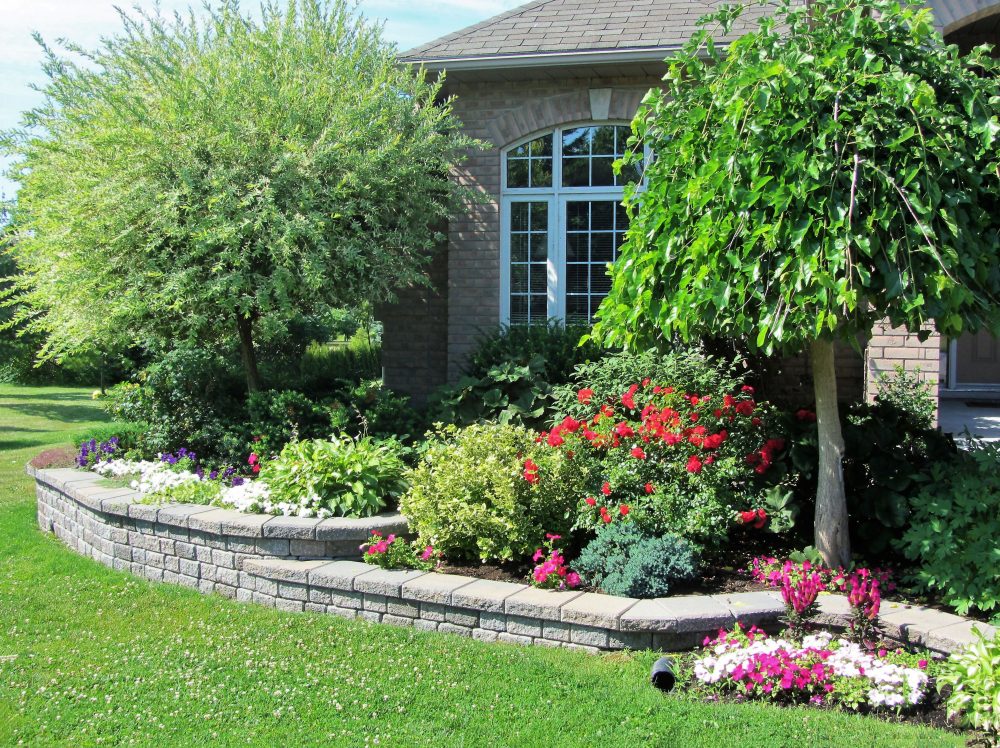
Start With a Clear Purpose and Site Assessment
Before choosing materials or calculating costs, you need to understand exactly why you need a retaining wall and what your site is asking of it. Is the wall primarily decorative, or does it need to hold back several tons of soil? Is there a drainage issue making your yard soggy after rain? Are there existing structures, tree roots, or underground utilities nearby that could complicate the build?
A thorough site assessment answers all of these questions. Walk the area carefully and note the slope grade, the type of soil present, and how water moves across your yard during heavy rain. Clay-heavy soil, for example, retains more water and puts greater pressure on a wall than sandy or loamy soil. According to the American Society of Civil Engineers, lateral soil pressure is one of the leading causes of retaining wall failure, which means understanding your soil type from the beginning is not optional, it’s essential.
Know When to Call in a Professional
Walls under four feet tall are often manageable as DIY projects with proper planning, but anything taller, especially on a slope or near a structure, should involve a licensed contractor or engineer. Taller walls are subject to greater hydrostatic and lateral pressure, and most municipalities require permits for walls exceeding a certain height. Skipping that permit process can result in fines, mandatory demolition, or complications when you sell your home.
Choose the Right Materials for Your Needs
Retaining wall materials range from natural stone and concrete blocks to timber and gabion baskets, and each has real trade-offs worth understanding. Concrete segmental blocks are among the most popular choices for residential projects because they’re durable, relatively affordable, and available in a wide range of styles. Natural stone offers exceptional beauty and longevity but typically comes with higher installation costs. Timber is budget-friendly and charming in the right setting, though it does have a shorter lifespan than masonry and is susceptible to moisture over time. Your choice should balance your budget, the aesthetic you’re going for, and the structural demands of your specific site. Don’t choose materials based on looks alone.
Plan for Drainage From the Very Beginning
Poor drainage is the number one reason retaining walls fail prematurely. Water trapped behind a wall builds hydrostatic pressure that, over time, pushes the wall outward and eventually causes it to crack or collapse. A well-planned retaining wall includes a gravel backfill layer, a perforated drainage pipe at the base, and weep holes or open joints in the wall face to allow water to escape freely. This step is so critical that it’s worth repeating: no drainage plan, no lasting wall.
Map Out Your Budget and Timeline Realistically
Retaining wall costs vary widely depending on size, materials, and site complexity, but the national average for a professionally installed wall runs between $25 and $75 per square foot. Larger walls, difficult access, or premium materials push costs higher. Build a realistic budget that includes materials, labor, drainage components, permits, and a small contingency for surprises. Rushing a timeline or cutting corners on materials to save money almost always leads to higher costs down the road.
A Strong Wall Starts With a Strong Plan
Taking the time to plan your retaining wall properly is the single best investment you can make in the project. When you understand your site, choose the right materials, prioritize drainage, and set a realistic budget, you set yourself up for a structure that does its job beautifully for years to come. If you’re ready to get started or simply want expert guidance before making any decisions, the team at Accurate Lawn Leveling is here to help every step of the way. Contact us today to get started!