
Standing water in your yard after a heavy rain isn’t just an eyesore — it’s a warning sign. Left unaddressed, poor drainage can saturate your soil, damage your foundation, drown your grass, and turn your outdoor space into a muddy inconvenience season after season. If you’ve been watching puddles form in the same spots every time it rains, a French drain installation may be exactly the solution your property needs. At Accurate Lawn Leveling, we’ve helped homeowners across the area reclaim their yards from persistent drainage problems, and we want to walk you through what the installation process actually looks like so there are no surprises.
What Is a French Drain, Exactly?
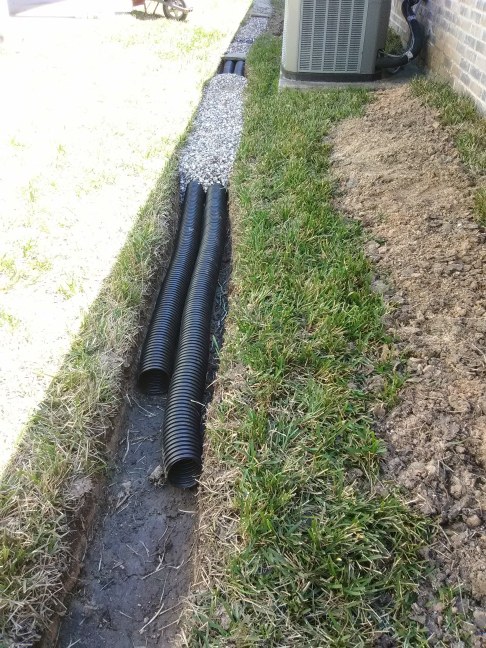
A French drain is a gravel-filled trench that contains a perforated pipe designed to redirect groundwater and surface water away from problem areas. Water naturally flows into the gravel, enters the pipe, and gets carried away from your home or yard to a designated drainage point. It’s a time-tested solution — the concept has been around since the 1800s — and when installed correctly, it’s remarkably effective. The key phrase there is “installed correctly,” which is why choosing an experienced contractor matters more than most homeowners realize.
The Assessment Phase
Before a single shovel hits the ground, a proper French drain installation starts with a thorough site evaluation. A drainage professional will walk your property to identify where water is pooling, where it’s coming from, and — critically — where it needs to go. This isn’t a quick glance around the yard. The elevation changes across your property, the composition of your soil, and the proximity to your home’s foundation all play a role in designing a system that actually works long-term. You should expect this conversation to be collaborative. The more context you can provide about when and where you see water issues, the better the final design will be.
What Happens During Installation
Once the plan is in place, the crew will mark the trench route and begin excavation. Most French drain trenches are dug 18 to 24 inches deep and about 9 to 12 inches wide, though your specific property conditions may call for adjustments. This is real, physical work — expect some disruption to the area being worked on. A reputable contractor will take care to protect surrounding grass and landscaping as much as possible, but some temporary disturbance is normal and expected.
Laying the Foundation and Pipe
After digging, a layer of landscape fabric is typically laid in the trench to prevent soil from migrating into the gravel over time — one of the most common reasons French drains fail prematurely when this step is skipped. Gravel goes in first, the perforated pipe is positioned with the holes facing down (yes, down — counterintuitive, but it allows water to enter from the saturated gravel below), and then more gravel is packed around and over the pipe before the fabric is folded over the top to complete the envelope.
Backfill and Cleanup
The trench is then backfilled, the surface is graded, and the work area is cleaned up. Depending on the scope of the project, sod may be replaced or new grass seed applied. Within a growing season, most installations become nearly invisible. The real proof comes the next time it rains.
How Long Does It Take?
For a standard residential installation, most French drain projects are completed within one to two days. Larger or more complex drainage systems — properties with multiple problem areas or particularly challenging soil conditions — may take longer. A good contractor will give you a realistic timeline upfront and communicate clearly if anything changes once work is underway.
What to Expect After Installation
You should notice a meaningful difference in drainage during the very first significant rainfall after installation. Water that once pooled and lingered will begin moving as it should. Over the following weeks and months, you may also notice that your grass recovers in areas that were previously waterlogged, and that the soil around your foundation stays drier and more stable.
French drains do require occasional maintenance — primarily ensuring the outlet point stays clear and that the system hasn’t become clogged with debris over the years — but they’re generally low-maintenance solutions with a lifespan measured in decades when installed properly.
If standing water has been a recurring headache on your property, a professionally installed French drain can be one of the most valuable investments you make in your home. Accurate Lawn Leveling offers consultations and would be glad to assess your drainage situation and walk you through your options. Contact us today to get started.