
You’ve probably noticed it while mowing—those frustrating dips and bumps that make your lawn look less than perfect. Maybe water pools in certain spots after rain, or you’ve twisted an ankle walking across what should be level ground. These aren’t just cosmetic issues, and you’re not alone in dealing with them. At Accurate Lawn Leveling, we’ve helped countless homeowners understand that uneven lawns rarely develop overnight, and addressing them properly requires knowing what’s actually causing the problem beneath your grass.
The reality is that lawn unevenness stems from a variety of factors, some natural and others human-made. Understanding these root causes isn’t just about satisfying your curiosity—it’s about making informed decisions that lead to lasting solutions rather than temporary fixes that waste your time and money.
The Hidden Forces Reshaping Your Yard
Soil erosion ranks among the most common culprits behind lawn irregularities. Every time rain falls on your property, water doesn’t simply disappear into the ground. It flows, and as it moves, it carries soil particles with it. Over months and years, this gradual displacement creates low spots where water has carved away material and high spots where sediment has accumulated. Properties with slopes or inadequate drainage systems face particularly aggressive erosion patterns.
Soil settlement presents another frequent challenge. When your home was built, construction equipment compacted some areas while leaving others relatively loose. These inconsistencies mean different parts of your yard settle at different rates. The soil around utility lines, septic systems, or areas where fill dirt was added often sinks more dramatically than surrounding ground. This process can continue for years after initial construction, which explains why lawns that once seemed level gradually develop problem areas.
Living Factors That Alter Your Landscape
Your yard’s ecosystem includes underground elements you can’t see but that significantly impact surface levelness. Tree roots spread far beyond the canopy you see above ground, and as they grow, they can lift soil and create raised areas. When large roots decompose after tree removal, they leave voids that eventually collapse, forming depressions. Similarly, animal activity—from earthworms aerating soil to larger creatures like moles creating tunnel systems—can disturb the ground structure in ways that manifest as surface irregularities.
Thatch buildup, that layer of dead grass and organic matter between your lawn’s green growth and the soil, accumulates unevenly. Thick thatch layers compress differently than thin ones, creating subtle variations in surface height. While some thatch benefits your lawn, excessive accumulation in patches leads to an uneven appearance and feel underfoot.
The Human Element in Lawn Topography
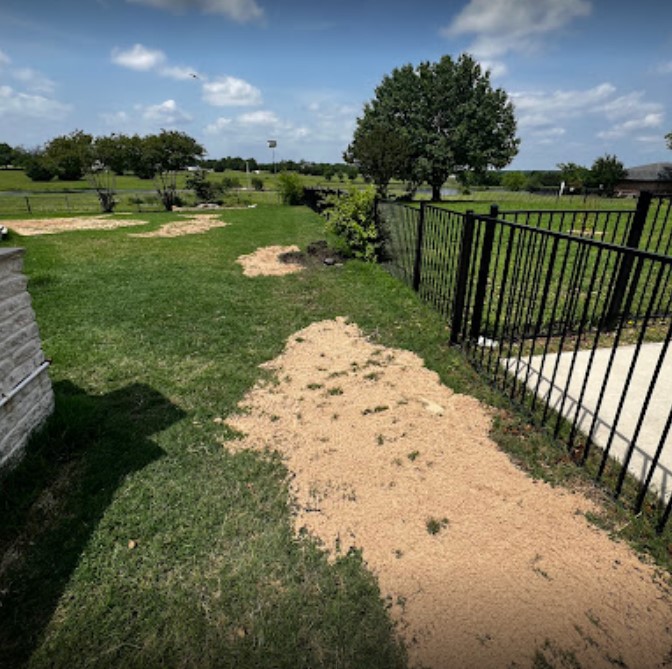
Many homeowners unknowingly contribute to their uneven lawns’ problems through well-intentioned maintenance practices. Repeatedly driving equipment or vehicles over the same paths compacts soil in those tracks, creating ruts. Improper watering that allows water to pool rather than soak in evenly accelerates erosion in vulnerable spots. Even topdressing—adding soil to low areas—can backfire if done incorrectly, creating new problems instead of solving existing ones.
Previous landscaping decisions also play a role. Buried debris from construction, improperly placed drainage systems, or grading choices that seemed fine initially can reveal their flaws over time as conditions change.
Moving Toward Solutions
Recognizing these causes helps you understand why simply adding soil to uneven lawns rarely provides lasting results. Effective lawn leveling addresses underlying issues rather than masking symptoms. Professional assessment identifies whether you’re dealing with drainage problems requiring correction, soil composition issues needing amendment, or structural factors demanding specific interventions.
Your lawn’s unevenness tells a story about what’s happening below the surface. Once you understand that story, you can make choices that create genuinely level ground—not just for aesthetics, but for safety, functionality, and the long-term health of your landscape. A professional evaluation reveals exactly what’s happening beneath your grass and what it takes to correct it permanently. Contact us to find out what’s really going on and get your lawn leveled today!