
How Can Proper Lawn Grading Prevent Foundation Damage?
Proper lawn grading helps prevent foundation damage by directing rainwater away from your home’s foundation instead of allowing it to collect near the structure. In Dallas, Houston, and Oklahoma, where clay-rich soils and changing weather conditions can contribute to foundation movement, maintaining the correct yard slope reduces water-related risks, protects soil stability, and helps prevent costly structural repairs.
Your lawn does more than enhance your home’s curb appeal. It plays an important role in protecting your property’s foundation. When the ground around your home slopes in the wrong direction, rainwater can collect near the foundation, saturate the soil, and contribute to shifting, cracking, or settling.
At Accurate Lawn Leveling, we understand the challenges homeowners face when dealing with uneven yards, poor drainage, and unpredictable weather. Our lawn leveling and grading services help homeowners throughout Dallas, Houston, and Oklahoma improve their landscapes while addressing drainage concerns that could threaten their homes.
Whether you’re noticing puddles near your house, uneven grass, or signs of soil erosion, understanding how proper lawn grading works can help you take action before minor drainage problems become major expenses.
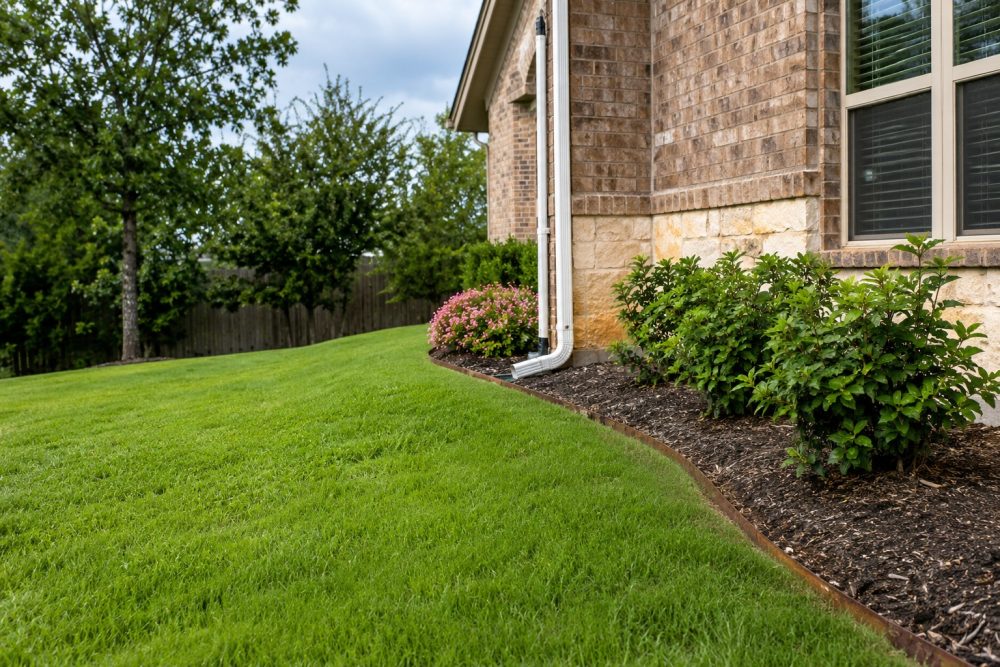
Why Proper Yard Grading Is Essential for Foundation Protection
Proper yard grading creates a gentle slope that encourages water to flow away from your home rather than toward it. This is particularly important in regions with expansive clay soils, which can swell when wet and shrink during dry conditions.
According to the U.S. Geological Survey (USGS), expansive soils can change volume significantly as their moisture content changes. These movements can place stress on foundations, especially when moisture levels vary across the property.
A properly graded lawn helps manage surface water and reduce excessive moisture accumulation around the foundation.
1. How Does Poor Lawn Grading Cause Foundation Damage?
Poor lawn grading can contribute to foundation damage by allowing water to accumulate near the base of your home. Over time, repeated wetting and drying can cause soil movement that stresses foundation structures.
Common warning signs include:
- Standing water near your foundation: Puddles remain along exterior walls after rainfall.
- Cracks in walls or floors: New or expanding cracks may indicate foundation movement.
- Uneven or sinking areas: Depressions near your home may collect runoff and direct it toward the structure.
- Sticking doors and windows: Changes in alignment can sometimes indicate structural movement.
- Soil erosion: Rainwater washes soil away from the foundation or surrounding landscape.
Not every crack or uneven area means foundation damage is occurring. However, these warning signs deserve attention, particularly when accompanied by persistent drainage problems.
Addressing poor grading early can help reduce the likelihood of moisture-related foundation issues.
2. What Is the Correct Lawn Slope to Protect a Foundation?
A lawn should generally slope downward and away from the foundation so rainwater moves toward an appropriate drainage area.
The International Residential Code (IRC) provides a commonly referenced grading guideline of a minimum 6-inch drop within the first 10 feet away from the foundation, where applicable. This represents approximately a 5% slope.
However, local building requirements, property boundaries, existing structures, and drainage conditions may require different solutions.
For homeowners evaluating their yards, consider these practical steps:
- Check the direction of your slope. Look for areas where the lawn tilts toward the house instead of away from it.
- Observe drainage after rainfall. Identify puddles, erosion, and areas where runoff concentrates.
- Inspect the ground near your foundation. Watch for depressions or soil settlement along exterior walls.
- Review downspout discharge locations. Make sure roof runoff is directed away from the foundation to an approved drainage area.
- Schedule a professional grading assessment. An experienced lawn grading professional can evaluate elevations and recommend appropriate corrections.
The goal is not to make your entire yard perfectly flat. Instead, professional grading creates a more even, functional lawn while preserving the slope necessary for effective drainage.
3. Why Are Dallas, Houston, and Oklahoma Homes Vulnerable to Grading Problems?
Homes throughout Dallas, Houston, and Oklahoma face regional soil and weather conditions that make drainage management especially important.
Dallas and North Texas
Many Dallas-area neighborhoods contain expansive clay soils that respond to changes in moisture. Extended dry periods followed by heavy rainfall can create soil movement, making consistent drainage around foundations especially important.
Houston and Southeast Texas
Houston’s relatively flat terrain and frequent heavy rainfall can make surface drainage challenging. When yards lack sufficient slope or drainage outlets, water may collect near homes and remain there longer than expected.
Oklahoma
Many Oklahoma properties experience seasonal storms, heavy rainfall, and periods of dry weather. Clay-rich soils in parts of the state can expand and contract as moisture conditions change, contributing to uneven ground and potential foundation stress.
Across all three service areas, maintaining positive drainage away from the home is an important preventive measure.
4. Can Professional Lawn Grading Fix Water Pooling Around a House?
Yes. Professional lawn grading can often correct water pooling caused by improper ground elevations, shallow depressions, or slopes that direct runoff toward the house.
The process typically begins with evaluating existing drainage patterns and identifying areas where water becomes trapped.
Depending on the property’s conditions, a grading solution may involve:
- Reshaping the lawn: Adjusting soil elevations to encourage proper runoff.
- Filling low spots: Correcting depressions that collect standing water.
- Improving drainage pathways: Creating a controlled route for water to move away from the foundation.
- Coordinating drainage improvements: Considering French drains, surface drains, or other drainage systems when grading alone is insufficient.
- Restoring the landscape: Preparing the corrected surface for healthy grass growth and everyday use.
At Accurate Lawn Leveling, our focus is on improving lawn functionality while helping homeowners address the grading conditions that contribute to poor drainage.
Importantly, lawn grading is a preventive drainage improvement, not a substitute for structural foundation repairs. Homes with suspected structural damage should also be evaluated by a qualified foundation specialist or structural engineer.
5. How Can Homeowners Maintain Proper Grading Over Time?
Even a properly graded yard can change as soil settles, erosion occurs, or landscaping projects alter the ground surface.
Routine inspections can help homeowners catch drainage issues before they become more serious.
Simple maintenance practices include:
- Inspect the yard after significant rainfall.
- Fill small depressions before they become major drainage problems.
- Keep gutters and downspouts clear of debris.
- Avoid piling mulch or soil against exterior walls.
- Monitor erosion around flower beds, walkways, and patios.
- Recheck drainage after construction or landscaping work.
Homeowners should also remember that lawn grading works best as part of a broader moisture-management strategy. Proper gutters, functioning drainage systems, and consistent foundation-area maintenance all contribute to long-term protection.
For properties with recurring pooling or noticeable elevation changes, a professional assessment can help determine whether regrading is necessary.
Frequently Asked Questions About Lawn Grading and Foundation Damage
Can poor lawn grading cause foundation cracks?
Yes. Poor grading can allow excess water to accumulate near the foundation, contributing to soil expansion, erosion, and movement that may cause or worsen cracks.
How do I know if my yard slopes toward my house?
Look for puddles near exterior walls, water flowing toward the foundation during rain, or low areas along the home’s perimeter. A professional elevation assessment can confirm the direction and severity of the slope.
Will leveling my lawn help prevent foundation problems?
Lawn leveling can help when it corrects depressions and improves drainage. However, the finished lawn must maintain an appropriate slope away from the home rather than becoming completely flat.
Is a French drain better than lawn grading?
Neither is automatically better. Grading manages surface runoff, while a properly designed French drain can help collect and redirect certain subsurface water. Some properties benefit from combining both solutions.
Protect Your Home With Professional Lawn Grading From Accurate Lawn Leveling
Your foundation is one of the most important parts of your home, and protecting it starts with managing the water around your property.
If you’ve noticed standing water, uneven ground, or drainage problems near your house, addressing the issue early can help prevent more serious complications.
Accurate Lawn Leveling proudly serves homeowners throughout Dallas, Houston, and Oklahoma, providing lawn grading and leveling solutions designed to improve drainage, enhance lawn usability, and support long-term property protection.
Ready to protect your foundation and improve your lawn? Contact Accurate Lawn Leveling today to discuss your lawn grading needs and take the first step toward a healthier, better-draining yard.