
How Does an Uneven Lawn Affect Your Landscaping’s Appearance?
An uneven lawn can make landscaping look unkempt by creating visible dips, bumps, patchy grass, and inconsistent mowing patterns. Low spots may collect water, while raised areas can cause uneven grass growth and scalping during mowing. Professional lawn leveling helps restore a smoother, more uniform surface, improving curb appeal and making landscaping easier to maintain.
A beautiful landscape starts with a healthy, even lawn. Whether you have carefully maintained flower beds, decorative walkways, or lush green grass, an uneven yard can distract from the overall appearance of your property. In Dallas, Houston, and Oklahoma, changing weather conditions, soil movement, and drainage problems can gradually create an irregular lawn surface.
At Accurate Lawn Leveling, we understand how frustrating it can be to invest time and money into landscaping only to have bumps, dips, and uneven grass take away from the results. Our professional lawn leveling services focus on correcting surface irregularities while considering the drainage and grading needs of your property. By addressing the underlying causes of an uneven lawn, homeowners can create a more attractive, functional outdoor space that complements their landscaping investment.
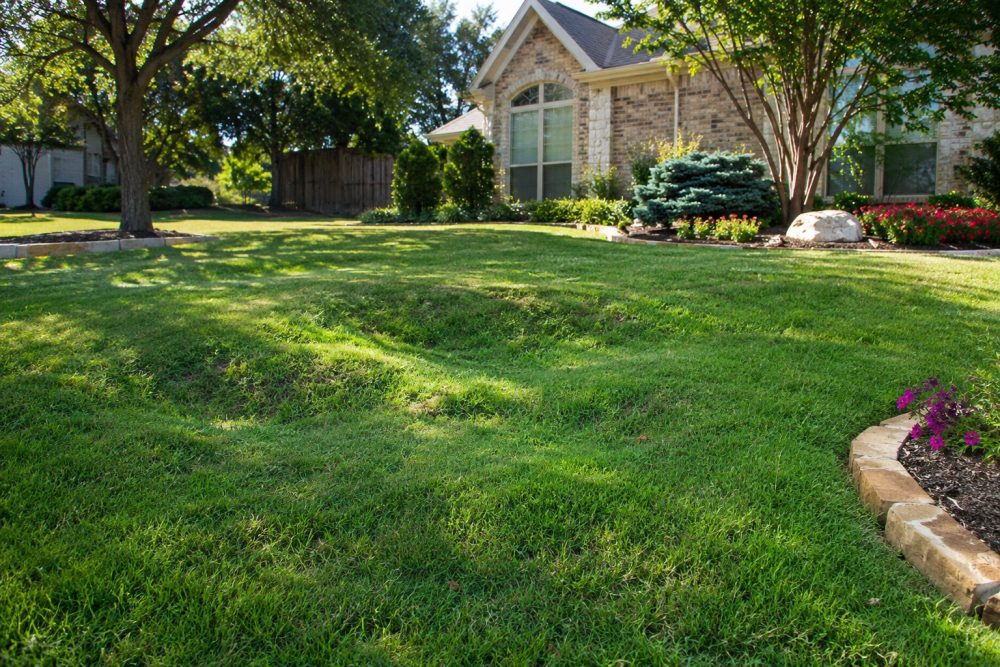
How Lawn Leveling Improves Curb Appeal and Landscape Design
A smooth lawn creates visual balance, supports consistent grass growth, and provides a clean foundation for other landscaping features. Uneven ground, however, can make even a professionally designed yard appear unfinished.
Understanding how these surface problems affect your landscape can help you determine when professional lawn leveling is worth considering.
1. Why Does an Uneven Lawn Make Landscaping Look Unattractive?
An uneven lawn disrupts the visual consistency of your landscape. Depressions, raised patches, and irregular grass heights create shadows and textures that make a yard look less polished.
Even small imperfections become more noticeable when surrounded by well-maintained landscaping features.
Common aesthetic problems include:
- Visible bumps and dips: Uneven ground interrupts the smooth appearance of your grass.
- Inconsistent mowing patterns: Mower blades may cut raised areas too short while leaving grass longer in depressions.
- Patchy or thinning turf: Soil moisture differences and poor growing conditions can create areas of weak grass.
- Unbalanced landscape design: An irregular lawn surface can distract from flower beds, patios, and decorative features.
For homeowners in Dallas and Houston, where warm-season grasses such as Bermuda and St. Augustine are common, an even lawn surface can make a noticeable difference in the appearance of the turf.
Professional lawn leveling helps reduce these imperfections and creates a more consistent landscape.
2. How Do Lawn Bumps and Low Spots Affect Grass Growth?
Bumps and low spots can create inconsistent growing conditions by changing how water collects, drains, and reaches grass roots.
Low areas may remain saturated after rainfall, while elevated spots can dry out faster. These differences may produce uneven grass color, density, and growth.
According to the University of Minnesota Extension, soil compaction can restrict water infiltration and root development. Although compaction is not the only cause of uneven turf, it can contribute to poor lawn performance.
In Dallas, Houston, and parts of Oklahoma, clay-rich soils can make moisture management particularly challenging. Clay soils tend to drain slowly when compacted, and some expand and contract significantly as moisture levels change.
Homeowners may notice:
- Yellowing grass in areas where water frequently collects.
- Brown or thin patches on elevated, dry sections.
- Bare spots caused by repeated mower scalping.
- Uneven grass height despite consistent mowing.
Correcting surface irregularities can improve water distribution and mowing consistency. However, successful lawn restoration may also require aeration, soil improvements, or reseeding and resodding, depending on the turf condition.
3. Can Poor Lawn Drainage Ruin the Appearance of Your Landscaping?
Yes. Poor lawn drainage can damage landscaping aesthetics by creating muddy patches, standing water, eroded soil, and areas where grass struggles to survive.
When an uneven lawn directs water into depressions, moisture may accumulate around garden beds, walkways, and other landscape features.
The United States Environmental Protection Agency recommends managing stormwater through practices that reduce runoff and encourage appropriate infiltration. Proper grading is an important part of directing surface water toward suitable drainage areas.
In Houston, heavy rainfall can expose drainage problems quickly. Dallas and Oklahoma properties may experience similar issues during intense thunderstorms.
Signs that drainage is affecting your landscape include:
- Puddles that remain long after rainfall.
- Mulch washing out of flower beds.
- Soil erosion around walkways and planting areas.
- Muddy spots that interrupt the appearance of green turf.
- Grass thinning in persistently wet areas.
A properly graded lawn should move excess surface water away from structures without creating new problems for neighboring properties.
Professional grading and drainage improvements can help protect landscaping features while restoring a cleaner, more attractive yard.
4. How Does Professional Lawn Leveling Improve Curb Appeal?
Professional lawn leveling improves curb appeal by reducing noticeable surface irregularities and creating a smoother, more visually consistent lawn.
A level-looking lawn can help landscaping features stand out rather than compete with bumps, depressions, and patchy turf.
At Accurate Lawn Leveling, the appropriate approach depends on the severity of the unevenness, the existing grass, and the property’s drainage requirements.
A typical evaluation and correction process may include:
- Inspecting the lawn: Identify raised areas, depressions, drainage patterns, and potential soil settlement.
- Determining the cause: Evaluate whether the unevenness comes from soil movement, erosion, construction activity, or other conditions.
- Selecting a leveling approach: Use appropriate soil materials and grading techniques based on the lawn’s needs.
- Preserving drainage: Maintain the necessary slope to direct water away from buildings and vulnerable landscaping.
- Supporting turf recovery: Recommend watering, mowing, or grass restoration practices as needed.
It is important to distinguish lawn leveling from making a yard completely flat. A visually smooth lawn still needs enough slope to drain properly.
The result is a landscape that looks more cohesive and is easier to maintain over time.
5. When Should You Fix an Uneven Lawn to Protect Your Landscaping Investment?
You should consider correcting an uneven lawn when surface irregularities become noticeable, interfere with mowing, or contribute to persistent drainage problems.
Small depressions may be manageable with targeted lawn leveling, while significant settlement or widespread drainage issues may require more extensive grading.
Early correction can help prevent cosmetic problems from becoming more difficult and expensive to address.
For homeowners in Dallas, Houston, and Oklahoma, seasonal conditions can influence when lawn leveling is most effective. Active turf growth generally supports recovery after minor leveling work, particularly for warm-season grasses.
Before scheduling service, consider whether your lawn has:
- Increasingly noticeable bumps or depressions.
- Uneven grass growth despite regular maintenance.
- Standing water after storms.
- Bare spots caused by mowing difficulties.
- Landscape features affected by erosion or soil settlement.
Addressing these issues helps protect the appearance of your lawn and the landscaping surrounding it.
Frequently Asked Questions About Uneven Lawns
Does leveling your lawn make the grass look better?
Yes. Lawn leveling creates a smoother surface that allows more consistent mowing and can reduce visible bumps, dips, and scalped patches. Healthy turf growth and proper maintenance are still necessary for a uniformly green appearance.
Can an uneven lawn lower your home’s curb appeal?
Yes. An uneven lawn can make landscaping appear poorly maintained, even when flower beds, shrubs, and other features are attractive. Correcting noticeable surface irregularities can improve the property’s overall presentation.
Will adding topsoil fix an uneven lawn?
Adding suitable topdressing material can correct minor depressions, but the material and application depth must match the grass and soil conditions. Significant settling or drainage problems may require professional grading rather than simply adding soil.
How often should a lawn be leveled?
There is no universal schedule. Many lawns only need occasional corrections, while properties experiencing repeated soil settlement or erosion may need additional attention. Persistent unevenness should be evaluated to identify the underlying cause.
Transform Your Uneven Lawn With Accurate Lawn Leveling
Your landscaping deserves a smooth, attractive foundation that highlights the beauty of your outdoor space.
With over 30 years of experience serving Dallas, Houston, and Oklahoma City, Accurate Lawn Leveling helps homeowners and businesses improve lawn appearance, address uneven surfaces, and create more functional landscapes. Topdressing, French Drains, & Retaining Walls+1
Don’t let bumps, dips, and patchy grass distract from your landscaping investment. Contact Accurate Lawn Leveling today to request your free estimate.