
New Retaining Wall Care Tips
How Do You Care for a New Retaining Wall in Dallas, Houston, and Oklahoma?
The best way to care for a new retaining wall is to keep drainage working properly, inspect the wall regularly, protect it from erosion, and address small issues before they become costly repairs. In Dallas, Houston, and Oklahoma, seasonal storms, expansive soils, and heavy rainfall make routine maintenance especially important for maximizing the wall’s lifespan.
When you invest in a professionally built retaining wall, you want it to remain attractive, functional, and structurally sound for years to come. At Accurate Lawn Leveling, we design and install retaining walls that are built to withstand the unique soil and weather conditions found throughout Dallas, Houston, and Oklahoma. Our team understands how clay soils, fluctuating moisture levels, and heavy rain events can affect retaining walls over time. We believe that proper maintenance is just as important as quality installation, which is why we educate every customer on the simple steps that help preserve their investment. With a little preventative care, your retaining wall can continue protecting your landscape while enhancing your property’s appearance for decades.
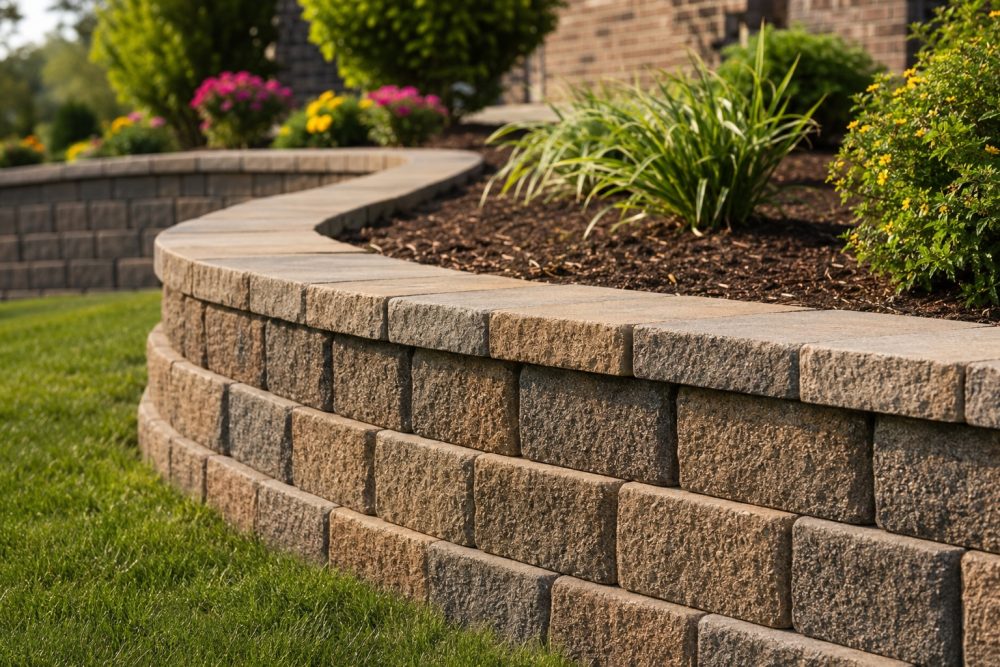
Retaining Wall Maintenance Tips That Help Your Wall Last Longer
Routine maintenance prevents minor issues from becoming major structural problems. Following a few simple habits will help your retaining wall perform as designed while reducing future repair costs.
Why Is Drainage the Most Important Part of Retaining Wall Care?
Proper drainage is the number one factor in retaining wall longevity.
Water builds pressure behind retaining walls. If drainage becomes blocked, that pressure increases and can eventually cause bulging, leaning, cracking, or failure. According to the Federal Highway Administration (FHWA), drainage is one of the most critical design and maintenance considerations for retaining walls.
To protect your wall:
- Keep drainage outlets free of dirt and debris.
- Remove leaves that collect behind the wall.
- Ensure nearby downspouts direct water away from the structure.
- Watch for standing water after heavy rain.
This is especially important in Houston, where intense rainfall can quickly overwhelm poor drainage systems, and throughout North Texas and Oklahoma where heavy storms often arrive in short periods.
How Often Should You Inspect a New Retaining Wall?
Inspect your retaining wall at least twice each year and after major storms.
Regular inspections allow you to identify small concerns before they become expensive repairs. During each inspection, look for:
- Small cracks
- Areas that appear to lean outward
- Soil washing out near the wall
- Loose blocks or stones
- Drainage outlets that appear clogged
- Signs of erosion around the base
Homeowners in Dallas and many parts of Oklahoma should also inspect after extended dry periods followed by heavy rain because expansive clay soils can shift significantly as moisture levels change.
Can Landscaping Damage a Retaining Wall?
Yes. Poor landscaping practices can shorten the life of a retaining wall.
Trees and large shrubs planted too close can create problems as roots expand beneath or behind the wall. Overwatering nearby flower beds may also saturate the soil and increase hydrostatic pressure.
For best results:
- Plant large trees several feet away from the wall.
- Choose smaller shrubs or ornamental plants near the structure.
- Avoid excessive irrigation.
- Replace mulch that washes away after storms.
- Maintain proper grading around planting beds.
Healthy landscaping should complement your retaining wall, not place additional stress on it.
What Should You Do After Heavy Rain in Dallas, Houston, or Oklahoma?
Inspect the wall promptly after significant rainfall.
While professionally installed retaining walls are designed to handle normal weather conditions, severe storms can create temporary issues that deserve attention.
After heavy rain:
- Check for standing water.
- Look for soil erosion near the wall.
- Confirm drainage outlets are flowing freely.
- Remove accumulated debris.
- Watch for new cracks or movement.
According to the National Weather Service, Texas and Oklahoma regularly experience intense rainfall events capable of producing localized flooding, making post-storm inspections a smart preventative measure.
When Should You Call a Retaining Wall Professional?
Contact a professional as soon as you notice structural movement.
Some cosmetic issues are normal as landscaping settles, but certain warning signs should never be ignored.
Call an experienced retaining wall contractor if you notice:
- The wall leaning forward
- Bulging sections
- Large or widening cracks
- Water constantly seeping through the face
- Significant soil erosion
- Loose retaining wall blocks
- Portions of the wall separating
Addressing these issues early is almost always less expensive than waiting until major repairs become necessary.
Caring for Retaining Walls in Dallas, Houston, and Oklahoma
Every region Accurate Lawn Leveling serves presents unique environmental challenges.
Dallas-Fort Worth
North Texas is known for expansive clay soils that shrink during drought and swell after rain. These soil movements place additional pressure on retaining walls, making inspections especially valuable.
Houston
Houston’s frequent heavy rainfall, high humidity, and occasional tropical weather increase the importance of effective drainage and erosion control.
Oklahoma
Many Oklahoma properties experience a combination of clay soils, strong seasonal storms, and varying elevations. Maintaining proper drainage helps protect retaining walls against shifting soils and runoff.
Because local conditions differ, professional installation combined with routine maintenance provides the best long-term performance.
Frequently Asked Questions
How long should a professionally built retaining wall last?
A properly installed retaining wall can last 50 years or more, depending on the materials used, drainage quality, and ongoing maintenance.
Is it normal for a retaining wall to settle slightly?
Minor settling can occur during the first year as surrounding soil compacts naturally. Significant leaning, bulging, or cracking is not normal and should be inspected by a professional.
Should retaining walls be cleaned?
Yes. Periodically remove dirt, algae, leaves, and debris with a garden hose or soft brush. Avoid harsh chemicals or pressure washing that could damage certain materials.
Does lawn grading affect wall performance?
Yes. Proper grading directs water away from the retaining wall and helps reduce erosion and water pressure, both of which extend the wall’s lifespan.
Protect Your Investment with Accurate Lawn Leveling
A retaining wall is designed to provide decades of support, but proper care makes all the difference. By maintaining drainage, inspecting the structure regularly, and addressing small concerns early, you can protect both your landscape and your investment. Accurate Lawn Leveling proudly serves homeowners throughout Dallas, Houston, and Oklahoma with expert retaining wall installation and landscape drainage solutions. Ready to protect your retaining wall for years to come? Contact us today to schedule a consultation and speak with our experienced team.